Regional food is trending high: an opportunity for Latin America
The trend in regional food is expanding and Latin American cuisine is not the exception. Regional producers can benefit from this opportunity by exporting traditional food to previously unexpected markets.
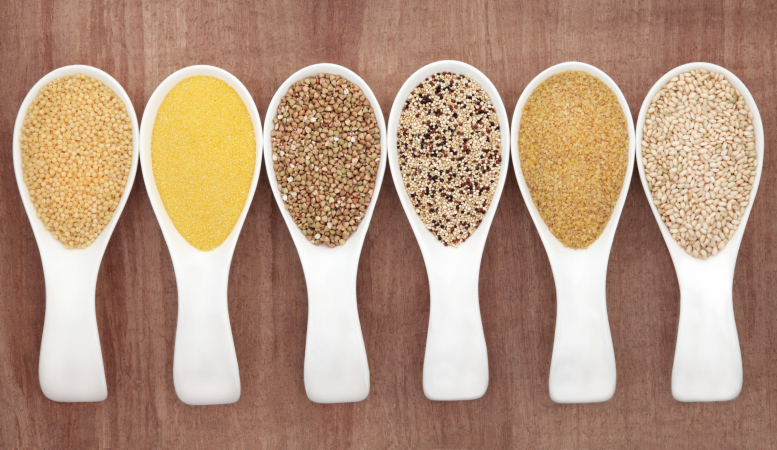
Latin American producers of typical regional food such as quinoa, yuca, queso blanco or dulce de leche traditionally believed that their markets were limited to the population acquainted with eating these products. Who was to ever think of convincing a Frenchman to buy quinoa or an American to try an alfajor?
Fortunately, typical regional food is now a global cuisine trend and Latin American flavors are coveted in several markets, representing an important opportunity for food exporters in the region.
Latin American cuisine goes worldwide
Miguel Aguilar, a well-known chef in Miami, mentions in an interview on Voxxi website that Latin American cuisine is today what French cuisine was some decades ago: “Ten years ago French food was in,” he said. “Then it got boring and people had to find new ways to make it more interesting.”
In the same line, an article on QSR magazine affirms that there are a myriad of innovative gastronomical options available including Asian, Latin, South American and Mediterranean cuisine. However, “while there are good cases to be made for each, it seems that the big trend behind all of them is Americans’ growing desire for new, exciting, and bold flavors, no matter their cultural origin.”
“Consumers have come to expect fresh and exciting new flavors and South America has all that to offer”
In any case, the success of the region’s flavors in the most important market of the continent is undeniable: “Latin food is here to stay” affirms Aguilar. “With the overpopulation of Latinos throughout the country it’s only going to get bigger and better.”
But not only in the United States are Latin American flavors becoming the norm. In 2012, for instance, four Latin cuisine restaurants opened in a trendy Hong Kong neighborhood called Lan Kwai Fong. Harcha Bhaskar and Anil Chandhok, director and food importer respectively, mention that even in India “there is a cereal called quinoa from South America, which is known as the healthiest food to date that is entering the Indian market. It has a healthy amount of manganese, which no other daily food has.”
Meanwhile, in the United Kingdom, Steffan Cosser, food innovator expert, explains on a web interview with FoodManufacture.co.uk that “a new food trend that is slowly but firmly making its way across the Atlantic is South American, specifically Brazilian and Peruvian.” According to Cosser, “consumers have come to expect fresh and exciting new flavors and South America has all that to offer.” He also mentions that the big global events that are to take place in the region in the next few years (FIFA Soccer World Cup in 2014 and Olympic Games in 2016) will fuel demand for South American cuisine even further.
An opportunity for SMEs in Latin America and the Caribbean
In this context, small producers in Latin America and the Caribbean who trade their products in local markets that are accustomed to these flavors now have the possibility of exporting to previously unthinkable markets.
In this regard, it is necessary to learn what is happening in places that are setting trends and about the flavors that today are considered the most representative of regional food. Steffan Cosser explains that currently in the United Kingdom the most important Latin American foods are “quinoa, tomatillos, purple corn, aromatic chiles and tiger’s milk.” For Marian Blazes, another subject-matter expert, classical Latin American food and ingredients include:
- Corn (maiz, choclo), “cultivated in South America for more than 5,000 years, possibly South America’s biggest food contribution to the rest of the world.”
- Potatoes, the most important direct rivals of corn, are raw material to thousands of dishes around the world.
- Peppers, mainly used as condiment.
- Tropical fruit, exclusive to the region.
- Queso blanco or queso fresco.
- Yuca, a very popular plant these days in North America.
But the opportunity not only ends in exporting the food itself. The owners of small restaurants offering traditional cuisine can also export the know-how of their establishments or even open branches in other countries.
Latin American chefs can also export their services by designing menus for trendy restaurants or even set up in other countries to cook typical regional food. Even local tour operators can create cuisine tours and take visitors to try the flavors that their countries of origin find so attractive.
- Typical regional food is now a global world-class cuisine trend and Latin American flavors are coveted in several markets
- Restaurant owners, chefs and tour operators can also profit from this market niche

Comentários
Excelente articulo, debemos
Excelente articulo, debemos los empresarios del sector de alimentos latinos prepararnos para conquistar el mercado internacional
In reply to Excelente articulo, debemos by emmaeugenia@gm…
Hola Emma, muchas gracias por
Hola Emma, muchas gracias por tu comentario! Esperamos poder verte en nuestro próximo evento LAC FLAVORS, especializado en el mundo de los alimentos. Te dejo acá más información:
http://connectamericas.com/es/lac-flavors#
Ximena, del Equipo ConnectAmericas
En Colombia hace parte que la
En Colombia hace parte que la administracion publica haga parte de este proceso, nunca ha existido un apoyo que realmente sirva a la micro, pequeña y mediana empresa.
La banca colombiana se engorda y no le interesa ofrecer portafolios de inversion, asociacion, u otro que permita potenciarla economia en esta area.
Mientras tanto, las pimes siguen dando la lucha; se logra pero de manera muy lenta.
In reply to En Colombia hace parte que la by areyes1957@hot…
Teofilo: te invitamos a
Teofilo: te invitamos a participar de la próxima LAC FLAVORS, del 8 al 10 de octubre en Mérida, México, donde habrá ruedas de negocios y compradores internacionales. La inscripción es gratuita, acá abajo hay más información,
http://connectamericas.com/lac-flavors
Ximena, del Equipo ConnectAmericas
muy interesante el articulo,
muy interesante el articulo, espero ser parte de esta tendencia.
In reply to muy interesante el articulo, by cesarcast_d@ho…
Claro César! Te recomendamos
Claro César! Te recomendamos participar de la próxima LAC FLAVORS; en este link: http://connectamericas.com/es/lac-flavors#
Ximena, del Equipo ConnectAmericas
Muy buen articulo, por otro
Muy buen articulo, por otro lado los consumidor ya no se conforman solo con alimentarse cotidianamente a través de comida rápida, sino que aspiran a incorporar en su dieta de todos los días el placer de degustar nuevos, saludables, naturales y agradables sabores con ingredientes étnicos de todas partes del mundo.
Esta tendencia de los últimos años nos ofrece una gran oportunidad accediendo con conceptos nuevos de sabores a un mercado influenciado por una tendencia de excelencia gastronómica orientada a satisfacer sus aspiraciones y llevar al consumidor a adquirir nuevas experiencias.
Manka Fusión de Sabor & Cultura, empresa Chilena elaborada por manos peruanas.
te invita a disfrutar los mas delicados y exclusivos sabores que se desarrollan en las sierras y valles de la Cordillera de Los Andes, la vértebra cultural mas importante de América del Sur. Las producciones se llevan a cabo en pequeñas cantidades, realizando cuidadosos controles de calidad en cada etapa del proceso productivo.
Dentro de los productos tenemos el Jelly de merquen (utilizado ancestralmente por las comunidades Mapuches del Sur de Chile) y el jelly de rocoto (aji ancestral utilizado desde época de los Incas).
In reply to Muy buen articulo, por otro by mraygada@manka.cl
Hola Marianella
Hola Marianella
Qué gusto volver a encontrarte en ConnectAmericas y gracias por compartir con nosotros tus comentarios sobre esta temática. Les deseamos mucha suerte después de los contactos que han podido realizar la semana pasada en LAC FLAVORS. Saludos,
Ximena, del Equipo ConnectAmericas
muy interesante
muy interesante